
Native Identity in the U.S.
Native identity... is grounded in sovereignty, citizenship, and the nation-to-nation relationship that the U.S. government itself created through treaties and laws.
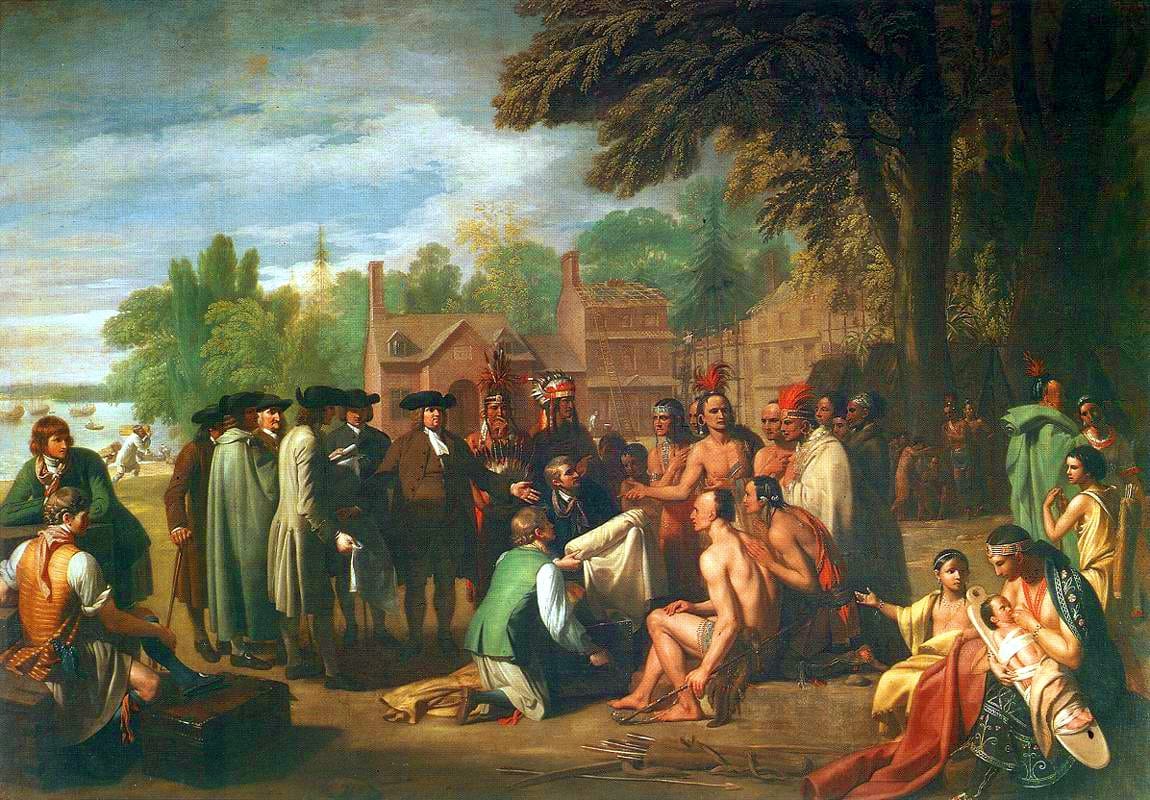
Conversations about Native identity in the United States often become tangled in assumptions. Many people see it as a matter of race or ethnicity, when in reality, the legal and social framework is very different. The Native peoples of the U.S. are not simply another demographic category. Their identity is tied to political sovereignty and a nation-to-nation relationship that predates the founding of the United States.
Understanding this distinction matters because it changes how we see policy debates, legal cases, and even the headlines that cross our screens. Framing Native status as racial risks ignoring the political agreements, rights, and responsibilities that shape the relationship between tribes and the federal government. It also misrepresents why certain protections exist and why ongoing threats to those protections affect not only Native communities but the structure of American democracy itself.
Historical Foundation of Treaties and Trust
To understand why Native identity is political rather than racial, we need to start with history. Long before the United States existed, Indigenous nations governed themselves with their own systems of law, trade, and diplomacy. When European powers arrived, they treated these nations as sovereign entities, signing treaties as they would with France or Spain.
After independence, the U.S. government continued that practice. The Constitution itself recognizes tribes as distinct political communities. Article I, Section 8 grants Congress the power to regulate commerce “with foreign nations, and among the several states, and with the Indian tribes.” That single phrase is a cornerstone for federal Indian law, placing tribes in a unique political category separate from states and foreign nations, yet distinct from racial or ethnic groups.
Over 370 treaties were signed between tribes and the United States. These agreements established boundaries, secured land cessions, and often promised education, healthcare, or annuities in exchange. While many of these promises were broken or underfunded, the treaties remain legally binding. The Supreme Court has repeatedly affirmed that treaties with tribes carry the same weight as treaties with other nations.
Key Acts That Shaped Policy
Over the centuries, Congress passed laws that dramatically shaped the lives of Native peoples and their governments. Each reflects the ongoing recognition that tribes are political entities, even when federal policies attempted to erode their sovereignty.
- The Indian Removal Act (1830) forced tribes in the Southeast to relocate west of the Mississippi, leading to the Trail of Tears. While devastating to Native communities, this act was not framed as a racial classification but as a political negotiation of land and sovereignty.
- The Dawes Act (1887) sought to dismantle tribal governments and communal landholding by allotting parcels of land to individuals. The policy’s underlying goal was assimilation, but it still recognized tribal lands as held in trust by the federal government.
- Indian Reorganization Act (1934) reversed some of that damage by restoring tribal self-government and ending allotment. It encouraged tribes to adopt constitutions and reaffirmed their authority to manage internal affairs.
- The Indian Self-Determination and Education Assistance Act (1975) gave tribes greater control over programs once run by federal agencies, expanding their ability to administer healthcare, education, and social services.
Each of these laws, whether oppressive or empowering, reflects Congress’s acknowledgment that tribes are governments, not racial categories.
Dual Citizenship: Tribal and U.S.
One of the most overlooked aspects of Native American/Alaskan Native identity is dual citizenship. Members of the 574 federally recognized tribes are citizens of both their tribe and the United States. Tribal governments determine their own membership criteria, which may include lineal descent, residency, or other measures set by the community.
This is a critical point. Tribal membership is not the same as racial identity. Someone may have Indigenous ancestry and personally identify as Native, but not be enrolled in a tribe. In contrast, someone else may be a full tribal citizen regardless of how they appear or identify racially. The right to define membership belongs to tribes, not outside institutions.
Dual citizenship creates unique legal dynamics. For example, tribes can prosecute their own members in tribal courts, exercise certain civil powers within their territories, and negotiate directly with federal agencies. At the same time, tribal citizens vote in state and federal elections as U.S. citizens. This dual framework reinforces the political nature of Indigenous identity.
The Issue With Federal Recognition
Yet, even with the recognition of sovereignty and dual citizenship, there remains a structural imbalance that exposes how fragile Native rights can be. Federal recognition (the status that affirms a tribe’s government-to-government relationship with the United States) depends on acknowledgment by an outside authority. In other words, a Native nation’s political rights are formally determined not by its own declaration of existence, but by the federal government’s willingness to recognize that existence.
Recognition determines access to the legal and material rights that accompany sovereignty: jurisdiction over land and people, eligibility for federal programs, and the right to engage directly with agencies and Congress. Without it, tribes are forced into a legal gray area, where communities that have existed for generations are excluded from the benefits and protections promised to “recognized” nations.
This dependency places immense power in the hands of the same government that historically sought to dissolve tribal sovereignty. The process itself is bureaucratic and often adversarial. Tribes must document continuous community, political authority, and descent from a historical tribe in ways that satisfy federal standards rather than reflect Indigenous governance traditions. For many, this means proving legitimacy through colonial records, including petitions, censuses, or treaties written by outsiders. Oral histories, cultural continuity, and community recognition often carry less weight within that system.
When an external body decides whether a nation is “real enough” to be sovereign, the potential for misuse is clear. Recognition can be withheld for political or economic reasons, delayed for decades, or granted selectively based on convenience. It can also be revoked, as history has shown. The termination era of the 1950s and 1960s saw more than 100 tribes stripped of their federal status, their lands sold off, and their governments dissolved under the claim that they were “assimilated.” Many have since fought for restoration, but the harm has been done, and the future risks remain very real.
This imbalance underscores a deeper question about power and legitimacy: Who decides when a nation exists? Sovereignty, by definition, should come from self-determination and not from the approval of another government. Yet the federal recognition process continues to function as both gatekeeper and arbiter of rights, shaping which Indigenous nations are seen, funded, and politically acknowledged.
Recognizing this complexity matters because it exposes how fragile sovereignty can be when its validation rests outside the community it is meant to protect. A political framework meant to protect autonomy can easily be reshaped or restricted by the same structures that claim to uphold it. This is why federal recognition is one of the most contested areas of Indian law. Ultimately, recognition is not a gift; it is the belated acknowledgment of a preexisting reality.
Why that Distinction Matters
When Native identity is mischaracterized as racial rather than political, legal protections are put at risk. A recent example is the challenges to the Indian Child Welfare Act (ICWA). Passed in 1978, ICWA was designed to prevent the widespread removal of Native children from their families and communities by state welfare systems. It gives tribes a strong voice in custody cases involving their members.
Opponents of ICWA have argued that the law is unconstitutional because it discriminates based on race. But supporters, including the Supreme Court in its 2023 decision in Haaland v. Brackeen, have reaffirmed that ICWA is based on political status, not race. It applies to members of sovereign tribal nations, not to anyone with Indigenous ancestry. Treating it as racial law would dismantle the foundation of tribal sovereignty.
The implications go far beyond child welfare. If tribal citizenship were reduced to a racial classification, then treaties, healthcare services, and land rights could all be undermined. Recognizing tribes’ political status protects centuries of legal agreements and ensures that sovereignty is not erased under the guise of colorblind policy.
Native Rights Today
Native rights today are complex and multifaceted. They include:
- Sovereignty and self-government: Tribes manage their own governments, pass laws, and maintain courts.
- Land rights: Many tribes hold land in trust through the federal government. Others are still engaged in legal battles to reclaim or protect ancestral lands.
- Healthcare and education: The federal government has obligations through treaties and acts to provide services, though funding often falls short.
- Cultural preservation: Laws such as the Native American Graves Protection and Repatriation Act (NAGPRA) help tribes reclaim ancestral remains and sacred objects from museums.
While these rights exist on paper, they are often threatened in practice. Court cases, legislative proposals, and resource disputes continually test the strength of tribal sovereignty.
Current Threats to Native Rights
Despite legal recognition, Native rights face persistent challenges. Natural resource disputes are frequently at play. Pipelines and mining projects often cross tribal lands or waters, sparking conflicts over sovereignty and environmental protection. The protests against the construction of the Dakota Access Pipeline (DAPL) at Standing Rock in 2016 highlighted how tribes continue to assert their rights in the face of corporate and government interests.
Voting rights are another issue. Many Native communities live in rural areas with limited access to polling places. Voter ID laws and redistricting can dilute Indigenous voting power, undermining their role as U.S. citizens in addition to tribal citizens.
Healthcare is another ongoing struggle. According to the Indian Health Service, per capita spending for Native healthcare has historically been far lower than the national average, even though treaty obligations require the government to provide these services. Underfunding contributes to higher rates of chronic illness and shorter life expectancy in Native communities.
Ways to Help
Supporting Native rights starts with education. Recognizing that Native American/American Native identity is political, not racial, is a foundation. From there, individuals and institutions can:
- Respect tribal sovereignty by supporting policies that allow tribes to govern themselves.
- Learn about your local tribes and their histories, especially the treaties connected to the land we live on.
- Support Native-led organizations that advocate for healthcare, education, and cultural preservation.
- Pay attention to court cases and legislation that could weaken tribal sovereignty.
None of these actions requires being an expert. They simply require recognizing that tribes are nations with rights that deserve protection.
Final Thoughts
This conversation isn’t just about Indigenous peoples. It’s about how we understand democracy and law in the United States. If the federal government can disregard treaties or redefine a political relationship as racial, it sets a precedent that undermines the rule of law more broadly.
Justice Hugo Black once wrote, “Great nations, like great men, should keep their word.” Treaties with tribes are not relics of the past. They are living agreements that still define legal responsibilities today. Keeping those promises is not charity; it is a matter of legal and moral integrity.
Native identity in the United States cannot be reduced to a racial box on a census form. It is grounded in sovereignty, citizenship, and the nation-to-nation relationship that the U.S. government itself created through treaties and laws. Recognizing this distinction is not just about accuracy. It is about justice.
When we see Native peoples as political citizens of sovereign nations, the protections they hold make sense. ICWA ceases to be a racial preference and becomes a fulfillment of tribal rights. Healthcare and education obligations become treaty promises, not social programs. Sovereignty becomes a continuation of the self-government that tribes have always practiced.
The strength of a democracy can be measured by how it honors its commitments. For the United States, honoring tribal sovereignty is part of keeping its own word. And for all of us, understanding that Native identity is political, not racial, is a step toward a more honest and respectful relationship with the first peoples of this land.